Source handmade micro insert bow earrings for gifts, parties, and weddings
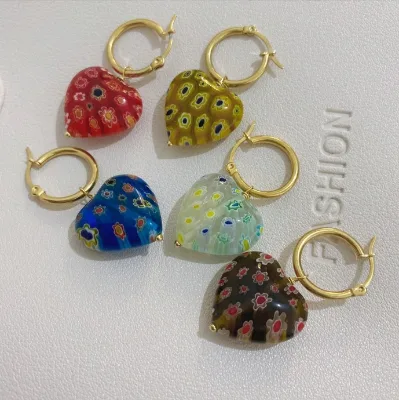
Compare 30 listings for handmade micro insert bow earrings crafted in 925 sterling silver with gold plating. These simple, heart, flower, and geometry designs suit female, male, and universal occasions like anniversaries and engagements.
Key considerations
Products List






Comprehensive Sourcing Guide
Strategic Sourcing Guide for Handmade Micro Insert Bow Earrings
The global market for fine jewelry accessories has seen a sustained shift toward personalized, lightweight, and intricately designed pieces that cater to diverse consumer demographics. Among these, handmade micro insert bow earrings represent a specific niche where craftsmanship, material purity, and aesthetic versatility converge. For B2B buyers and procurement specialists, sourcing these items requires a nuanced understanding of the supply chain dynamics, particularly when dealing with manufacturers in major production hubs like China. This guide provides a comprehensive framework for evaluating suppliers, verifying product specifications, and ensuring compliance without relying on unverified claims or speculative data.
Technical Specifications and Material Composition
The foundation of any successful procurement strategy for micro insert bow earrings lies in the precise definition of technical specifications. The core material for high-quality pieces in this category is consistently identified as 925 Sterling Silver. This alloy, comprising 92.5% pure silver and 7.5% other metals for durability, is a non-negotiable standard for premium jewelry. Buyers must verify that the "Accessory Material" and "Main Material" fields in supplier documentation explicitly state "925 Sterling Silver" rather than generic terms like "silver" or "silver-plated." The presence of a "92.5%" purity mark, often accompanied by an "Original Stamp: 925," serves as a primary indicator of authenticity.
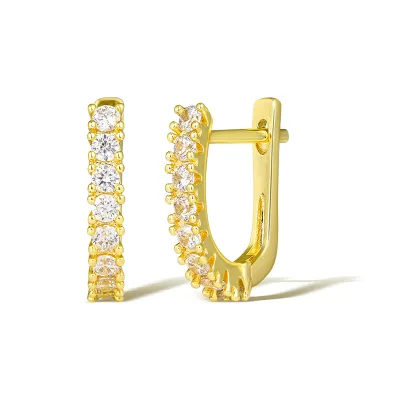
Beyond the base metal, the design architecture of micro insert bow earrings involves specific manufacturing processes. The "Processing" method is predominantly casting, which allows for the creation of intricate bow shapes and micro settings. These earrings often feature a "Micro Wax Setting" technique, which is essential for securing small stones, such as White CZ (Cubic Zirconia), without compromising the structural integrity of the delicate bow design. The "Shape" attribute is frequently observed as "Bow," though variations like "Heart," "Flower," and "Geometry" are also common in the broader catalog. The "Size" is often listed as "Customized," indicating that buyers can request specific dimensions, typically ranging from 1.35g to 4.27g in weight depending on the design complexity and stone count.
Compliance, Certification, and Safety Standards
In the B2B jewelry sector, compliance is not merely a regulatory hurdle but a critical component of brand reputation. When sourcing handmade micro insert bow earrings, buyers must prioritize suppliers who can provide third-party verification of their materials. The "SGS" certification is a documented standard in the supply chain, serving as a trusted benchmark for material safety and quality assurance. This certification validates that the product meets international standards for heavy metal content and material composition.
Safety is paramount, especially for products intended for sensitive skin or frequent wear. The "Feature" attribute for these earrings often includes "Nickel-Free" and "Lead-Free" claims. While these are common industry expectations, they must be substantiated by the supplier's testing data. Buyers should request proof of compliance with relevant safety standards regarding heavy metals, ensuring that the "Plating Color," which may include "Gold Plated" or "14K/18K Gold Plated," does not contain prohibited substances. The "Defects" attribute, such as "Slightly Included," refers to the clarity of the stones (like CZ) and should be clearly defined in the product description to manage buyer expectations regarding visual imperfections.
Cost Drivers and Pricing Dynamics
Understanding the cost structure of handmade micro insert bow earrings is essential for accurate budgeting and margin analysis. The observed price range in the market spans from $0.65 to $23.20 USD, a wide spectrum that reflects significant variations in material quality, craftsmanship, and customization levels. The lower end of this range typically corresponds to standard designs with minimal customization, while the higher end reflects intricate handcrafted pieces, higher karat gold plating, or complex stone settings.
Several factors drive these costs. First, the "Material" cost of 925 Sterling Silver fluctuates with global market rates, directly impacting the base price. Second, the "Processing" method, specifically the "Micro Wax Setting" and hand-finishing required for a "Simple" or "Korean" style, adds labor costs. Third, the "Customization" options, such as custom logos, specific weights (e.g., 1.78g vs. 4.27g), or unique packaging, introduce variable costs. The "MOQ" (Minimum Order Quantity) also plays a role; while some suppliers offer an MOQ of 1 piece for sampling, bulk orders often adhere to a range of 6-200 pieces per design for silver jewelry. Buyers must balance the desire for low unit costs against the necessity of maintaining quality standards and meeting their own inventory requirements.
Supplier Evaluation and Operational Capabilities
Selecting the right supplier requires a rigorous evaluation of their operational capabilities and flexibility. A key differentiator in this market is the ability to handle "OEM/ODM" (Original Equipment Manufacturer/Original Design Manufacturer) requests. Suppliers that welcome these collaborations allow buyers to create unique products that align with their brand identity. The "Logo/Stamp" attribute indicates that the supplier can customize the hallmarking on the jewelry, a crucial feature for brand differentiation.
Geographic location is another critical factor. The "prod_origin" is frequently cited as "China" or specifically "China Guangzhou," a major hub for jewelry manufacturing. This location offers access to a robust supply chain but requires careful vetting for logistics and communication. Buyers should assess the supplier's "Delivery Time," which typically ranges from 3 to 35 days after receiving a deposit. This variability suggests that lead times are dependent on order complexity and current production capacity. Furthermore, the "Packaging" standards, such as "Dust Bag," "Individual OPP Bag," or "Carton with Dust Bag," must align with the buyer's retail requirements. The "prod_packing" details, including the use of polybags and cartons, ensure that the delicate micro insert earrings arrive in pristine condition.
Quality Control and Inspection Protocols
Implementing a robust quality control (QC) protocol is essential to mitigate risks associated with international sourcing. Given the "Handmade" nature of the product, slight variations in the "Shape" or "Setting" are possible. Buyers should establish clear acceptance criteria for the "Defects" attribute, particularly regarding stone clarity and plating uniformity. The "Micro Wax Setting" requires precise inspection to ensure stones are secure and the bow structure is symmetrical.
Inspection should cover both visual and structural integrity. Visual checks must verify the "Plating Color" consistency, ensuring that "Gold Plated" finishes are even and free of discoloration. Structural checks should confirm that the "Insert" mechanism is secure and that the earring posts are straight and functional. For orders involving "Customized" sizes or weights, buyers should request pre-production samples to verify that the final product matches the specified "Standard" (e.g., 1.78g/Customized). The "SGS" certification mentioned earlier serves as a baseline, but on-site or third-party inspections during production are recommended for large orders to ensure consistency across batches.
Typical Applications and Market Positioning
The versatility of handmade micro insert bow earrings makes them suitable for a wide array of applications and occasions. The "Usage" attributes often include "Decoration," "Gifts," and "Collection," highlighting their dual role as fashion accessories and sentimental items. The "Occasion" list is extensive, covering "Anniversary," "Engagement," "Wedding," "Party," and "Gift" scenarios. This broad applicability allows buyers to target multiple market segments, from bridal markets to everyday fashion consumers.
The "Gender" and "Age" attributes further define the target audience. While often marketed towards "Female" and "Youth," the "Suitable for" attribute frequently lists "Female, Male, Universal, Children," indicating a trend toward unisex or family-oriented designs. The "Style" is commonly described as "Simple" or "Korean," reflecting current fashion trends that favor minimalism and elegance. The "Shape" variations, including "Bow," "Heart," "Flower," and "Geometry," allow for seasonal collections and trend-responsive inventory. Understanding these applications helps buyers align their procurement strategy with specific retail channels, whether they are targeting luxury boutiques, mass-market retailers, or online gift shops.
Long-Term Procurement Considerations
Sourcing handmade micro insert bow earrings is not a one-time transaction but a long-term partnership that requires strategic planning. The "Customization" availability and "OEM/ODM" flexibility are key indicators of a supplier's ability to grow with the buyer's business. As market trends shift, the ability to quickly adapt designs, such as changing from a "Heart" shape to a "Geometry" shape, is vital for maintaining competitiveness.
Buyers should also consider the "Lead Time" and "Delivery Time" in their supply chain planning. The range of 3-35 days suggests that lead times can be extended for complex custom orders. Establishing clear communication channels and agreeing on realistic timelines is essential to avoid stockouts. Additionally, the "Packaging" standards must evolve to meet sustainability goals or specific branding requirements. The transition from standard "OPP Bag" packaging to more eco-friendly or premium options can be a strategic differentiator. Finally, maintaining a relationship with suppliers who provide "SGS" certification and adhere to strict "Nickel-Free Lead-Free" standards ensures long-term compliance and customer satisfaction, reducing the risk of returns and reputational damage.
FAQs
What material is used for handmade micro insert bow earrings?
The core material is 925 Sterling Silver, which contains 92.5% pure silver for durability and authenticity. This alloy is often stamped with 925 and may include White CZ stones set via micro wax setting techniques.
Can buyers request customization for these earrings?
Yes, customization is available for logos, sizes, and specific weights ranging from 1.35g to 4.27g. OEM and ODM services are welcomed, allowing buyers to create unique designs that align with their brand identity.
What certifications verify the safety of these earrings?
SGS certification is a documented standard used to verify material safety and quality assurance for these products. This ensures the earrings meet international standards for heavy metal content and are nickel-free and lead-free.
How long does delivery take after placing an order?
Delivery typically takes between 3 to 35 days after receiving the deposit, depending on order complexity. Lead times vary based on the specific design requirements and current production capacity of the manufacturer.
What is the minimum order quantity for silver jewelry?
The MOQ for silver jewelry ranges from 6 to 200 pieces per design, though sampling options may start at 1 piece. Buyers should verify specific design requirements as some suppliers may have different thresholds for bulk orders.
Where are these handmade micro insert bow earrings manufactured?
These items are primarily manufactured in China, with a specific hub noted in Guangzhou. This location provides access to a robust supply chain for sterling silver and intricate casting processes used in the production.
Which shapes are available for these earrings?
Common shapes include Bow, Heart, Flower, and Geometry, catering to diverse aesthetic preferences. The design architecture allows for variations in size and weight, often customized to meet specific buyer specifications.